
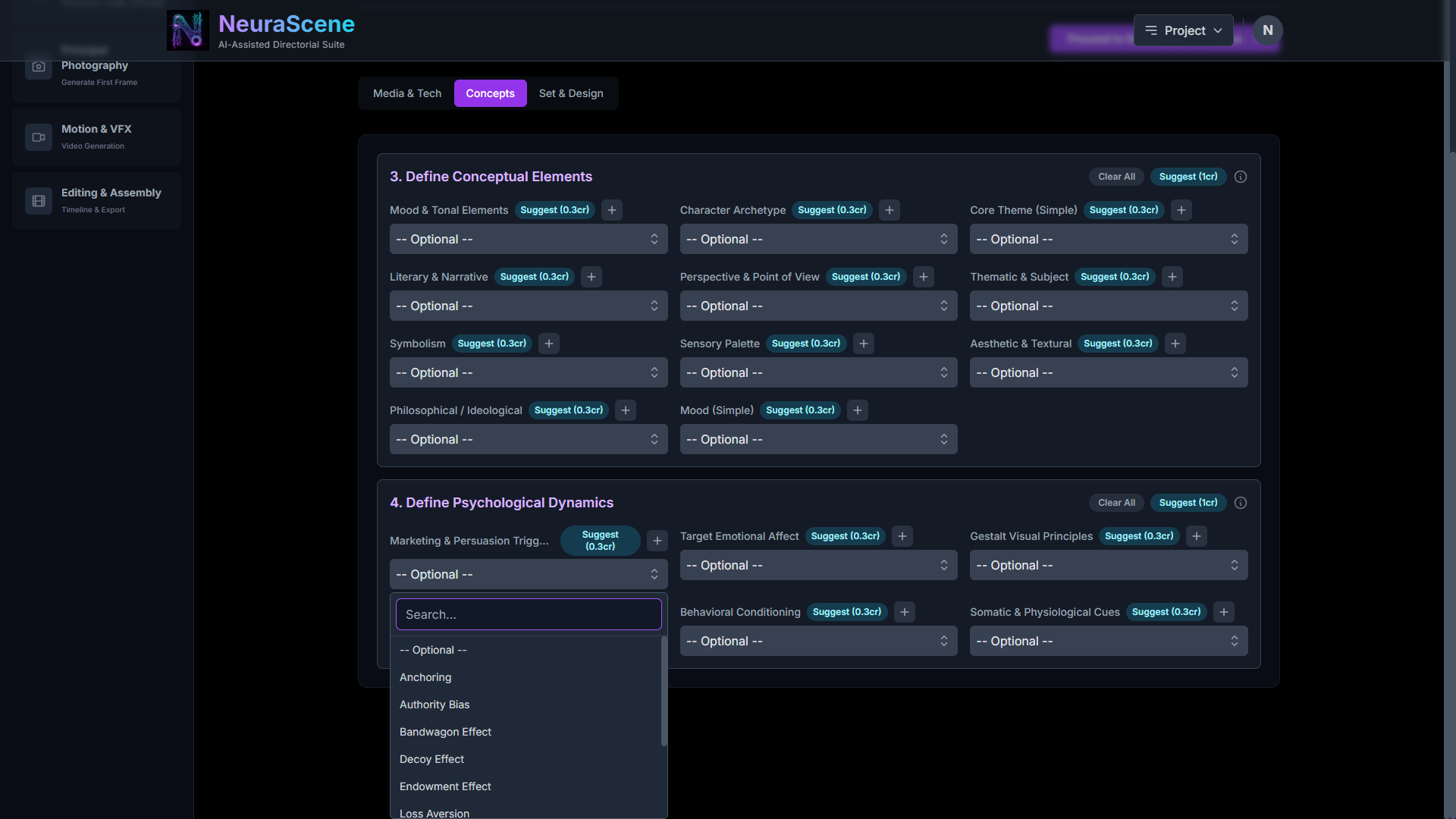
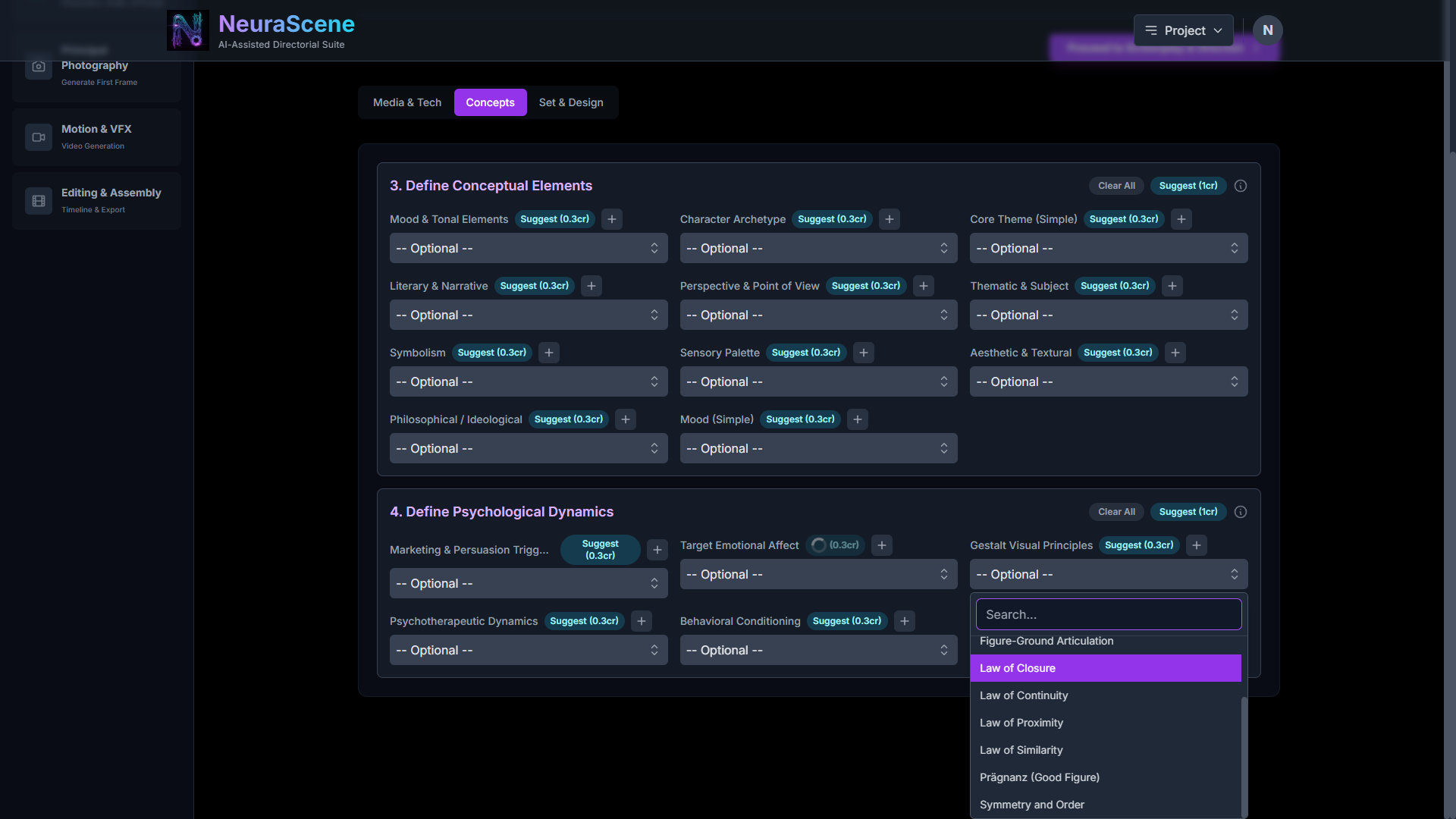
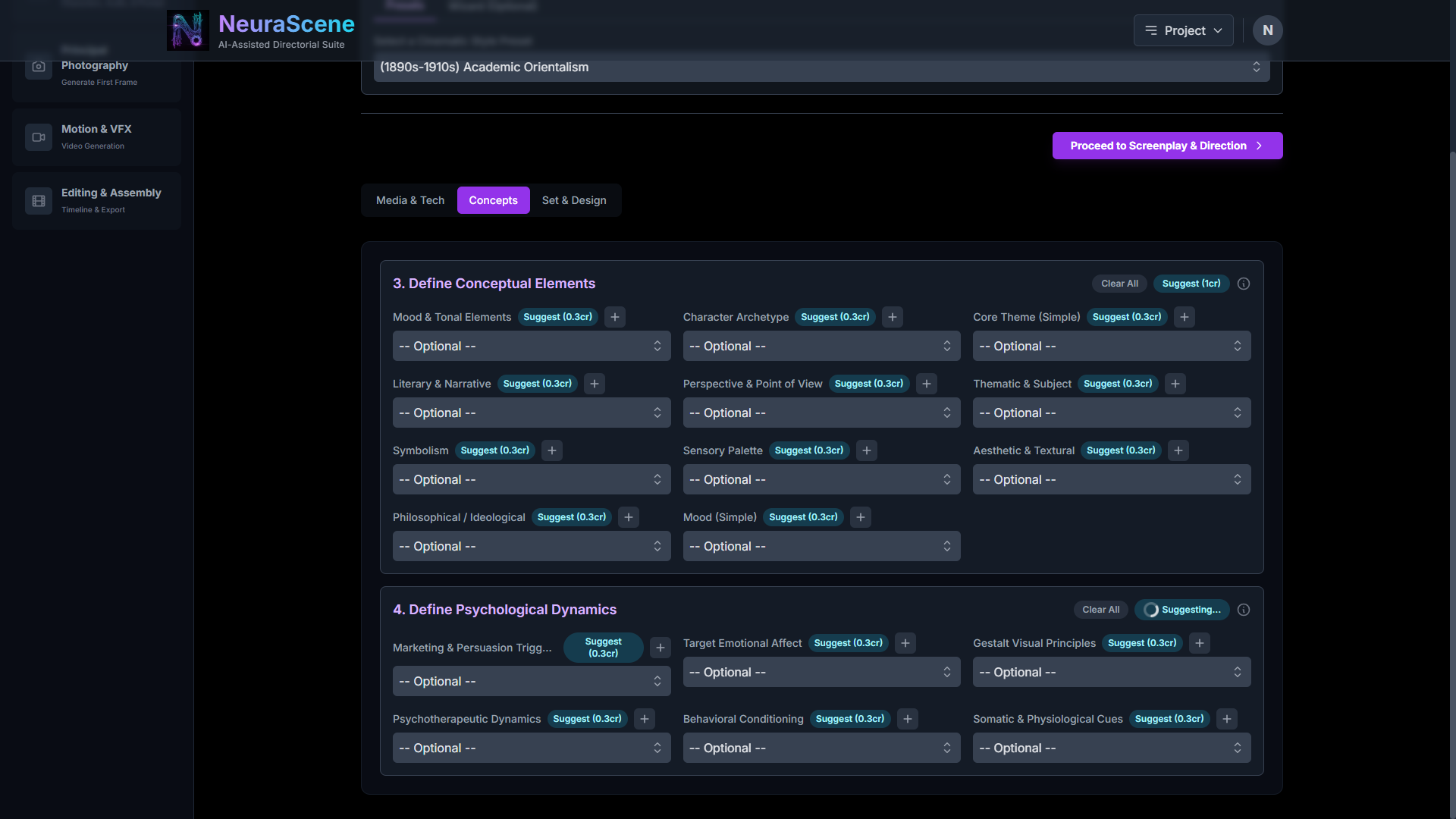
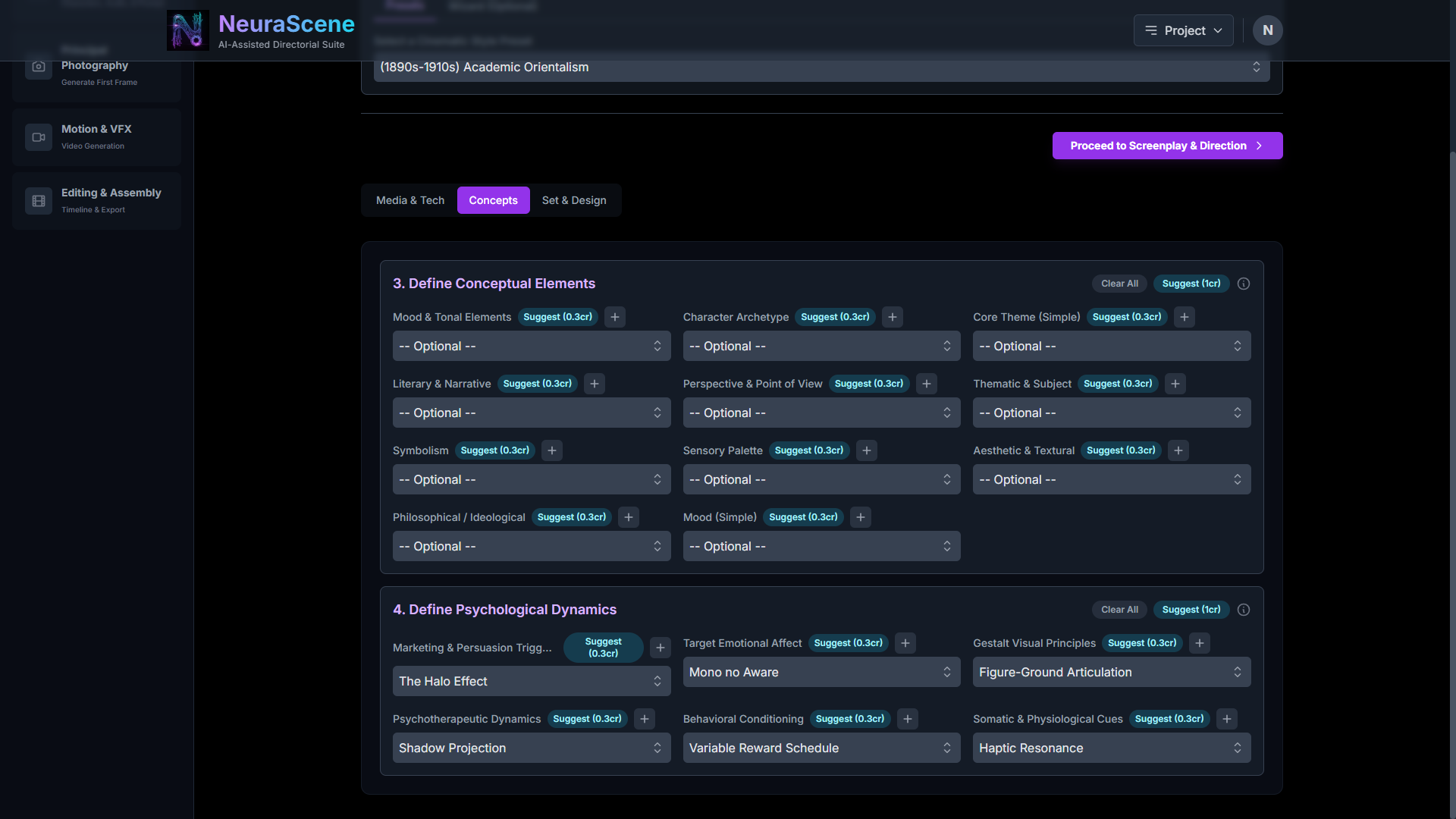
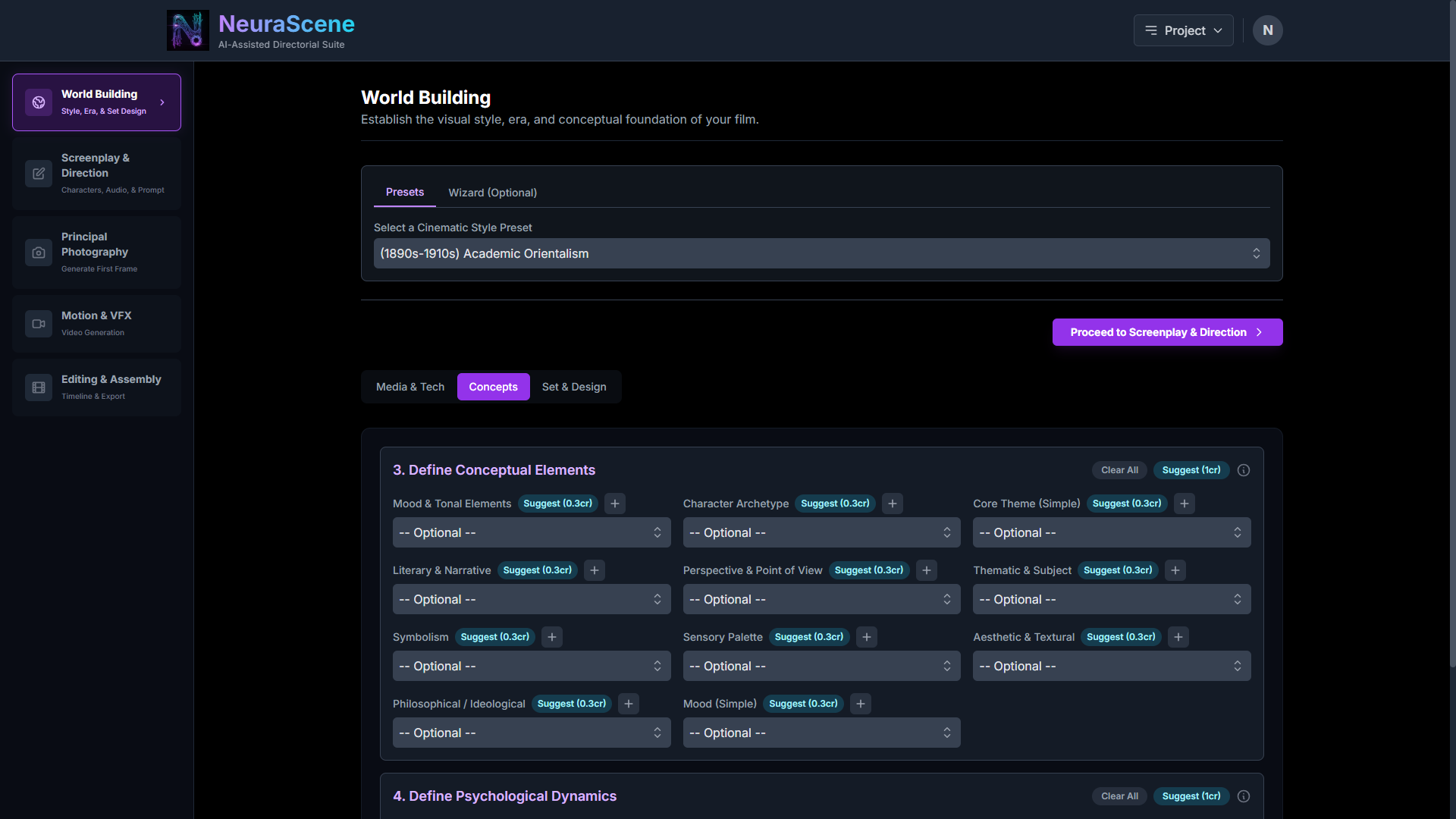
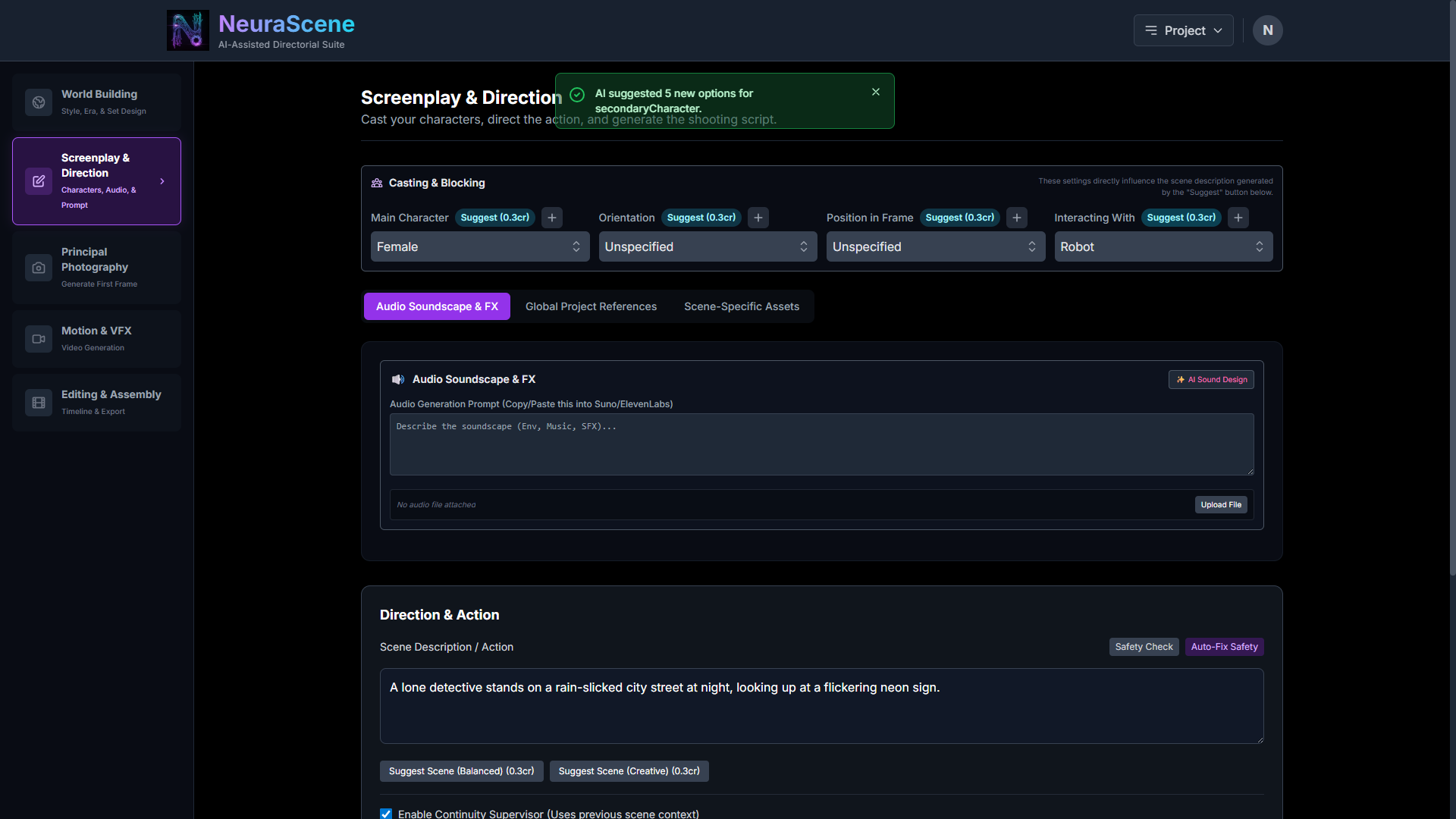
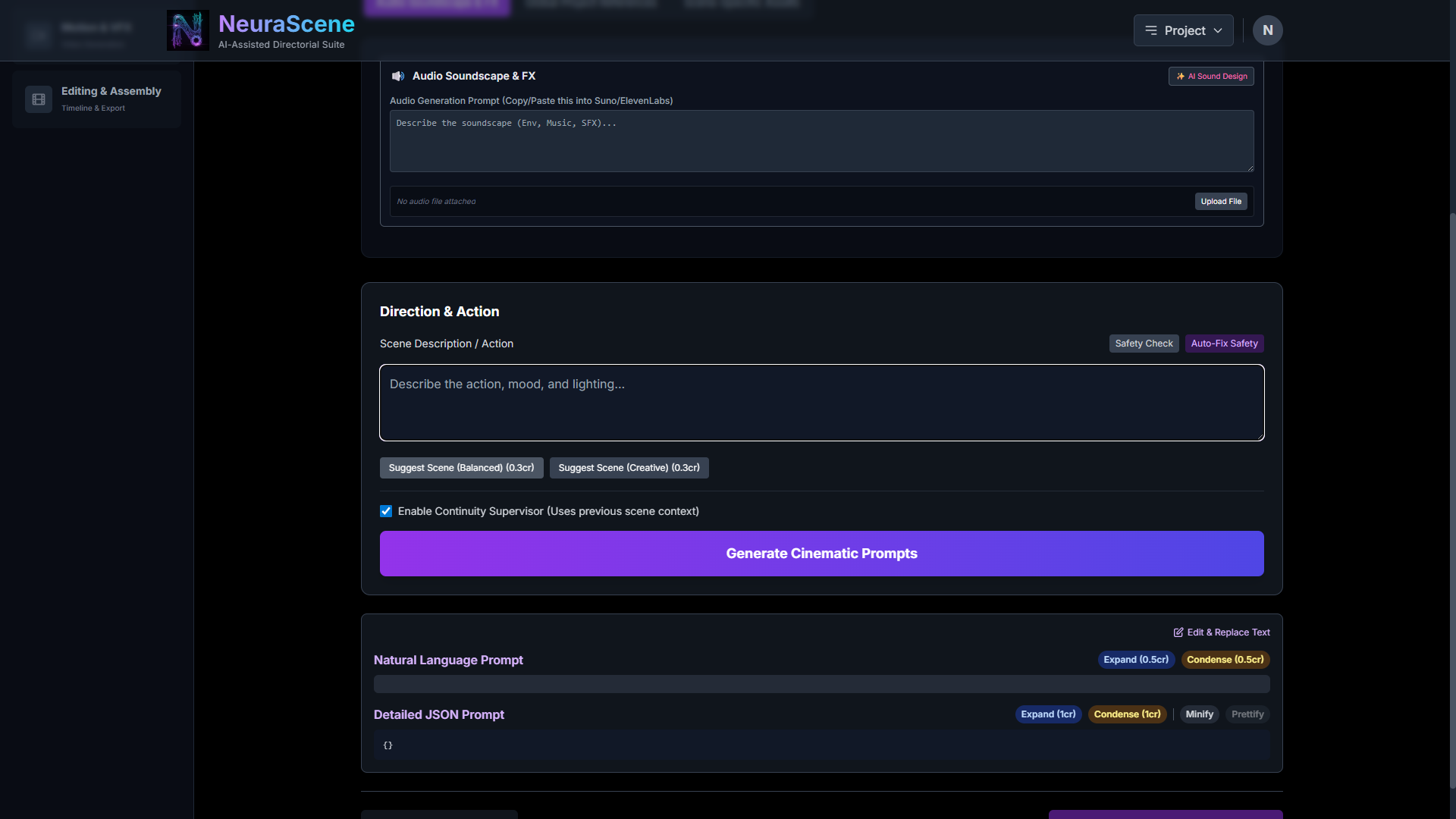
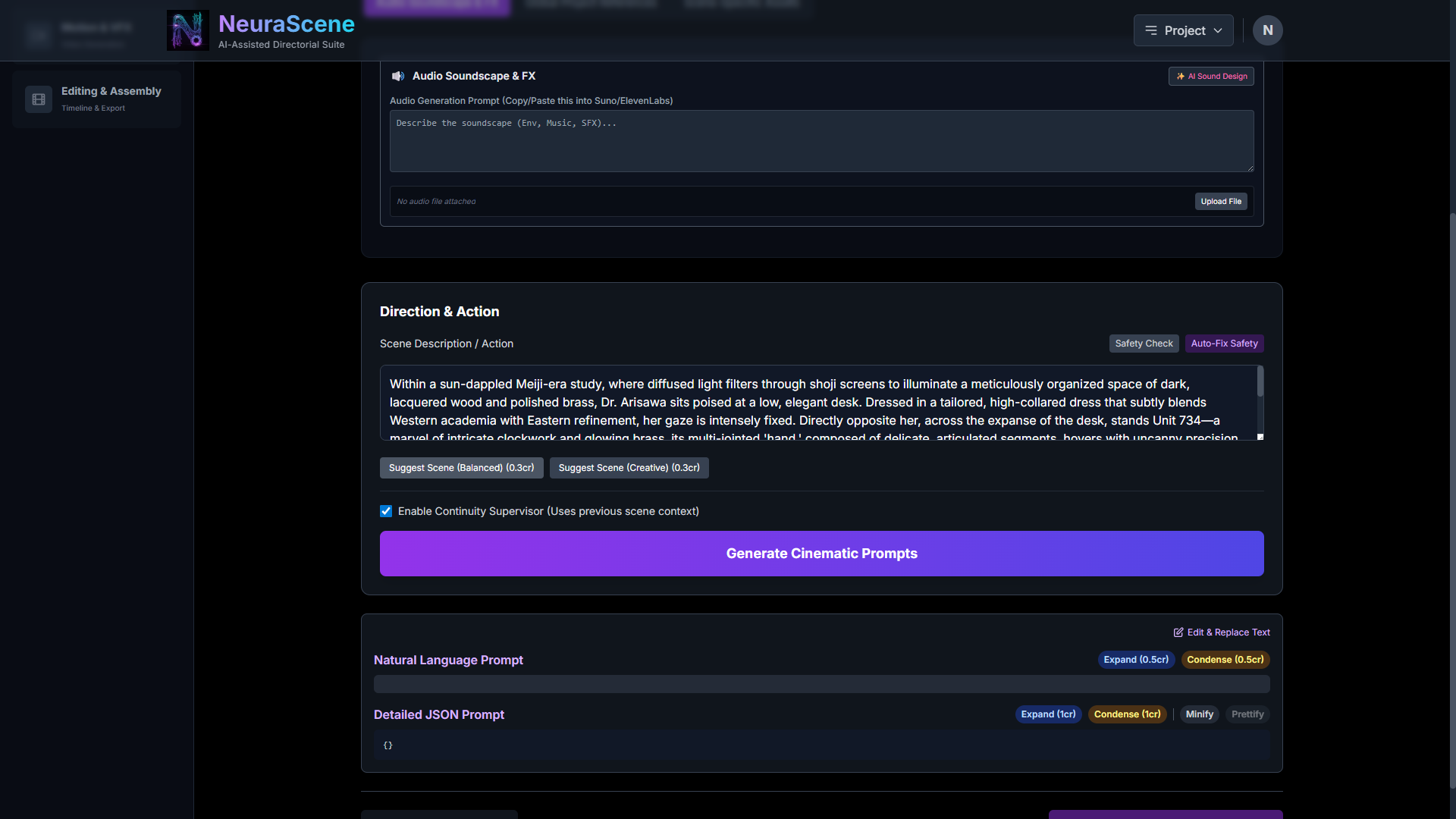
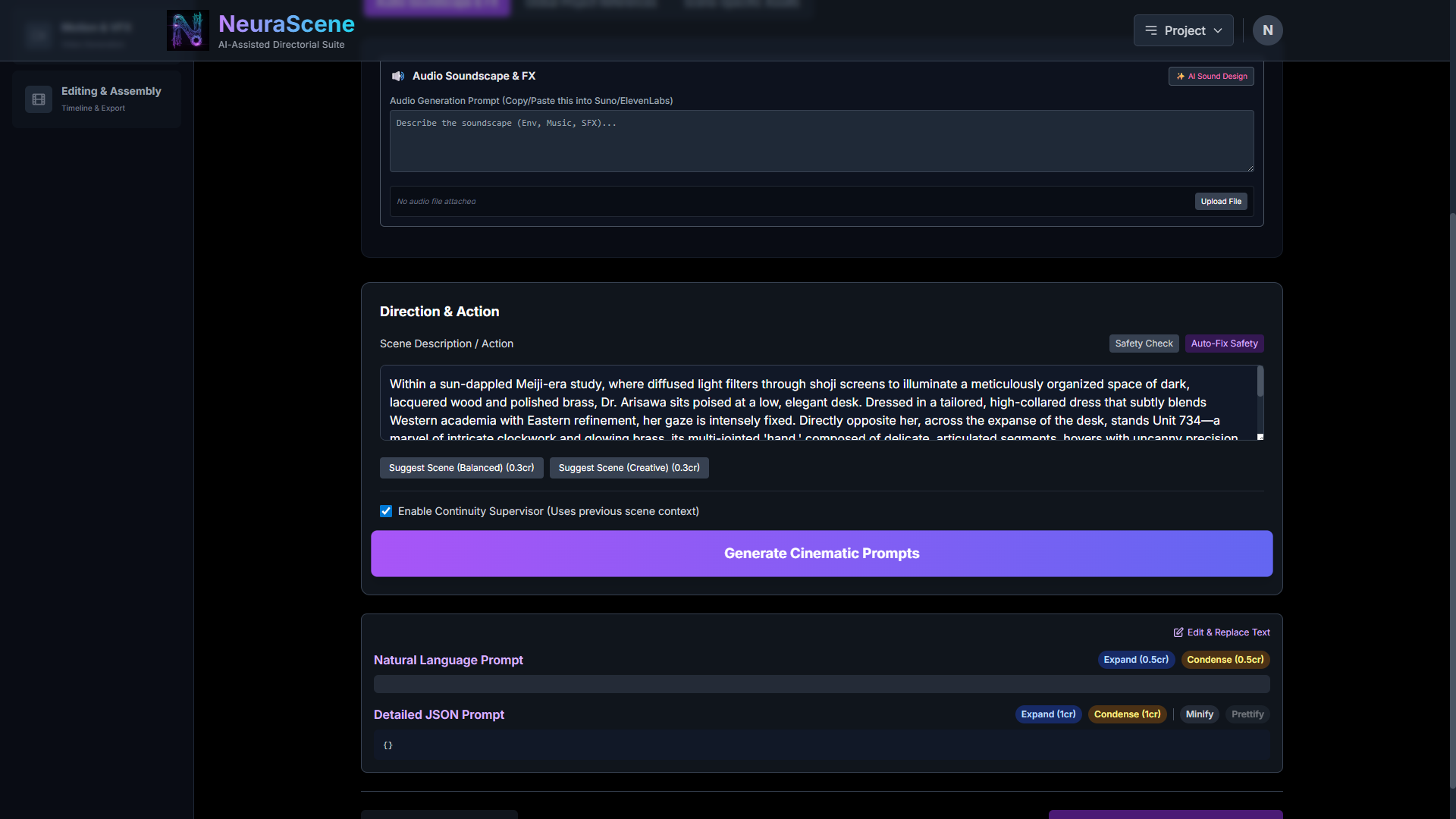
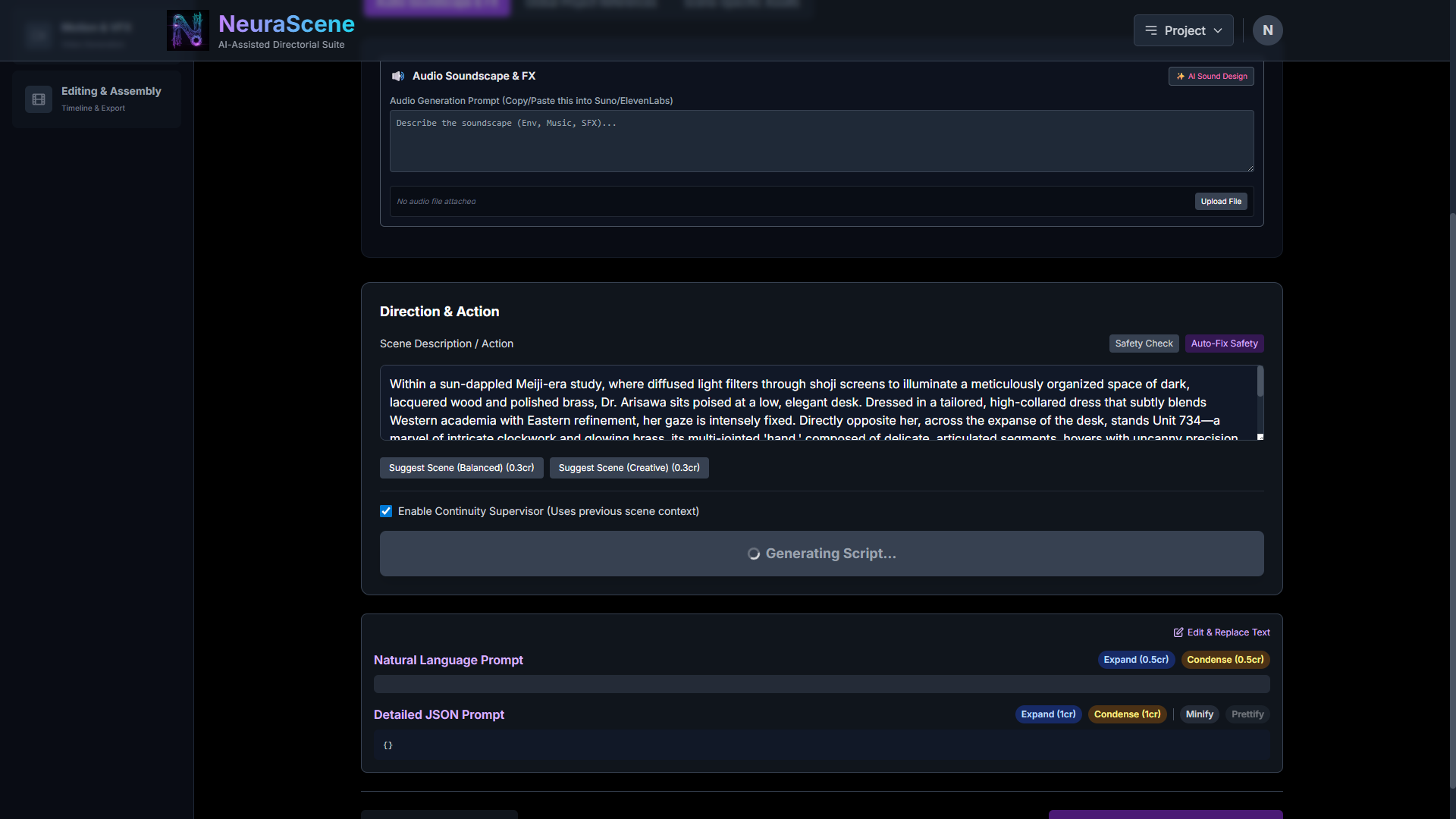
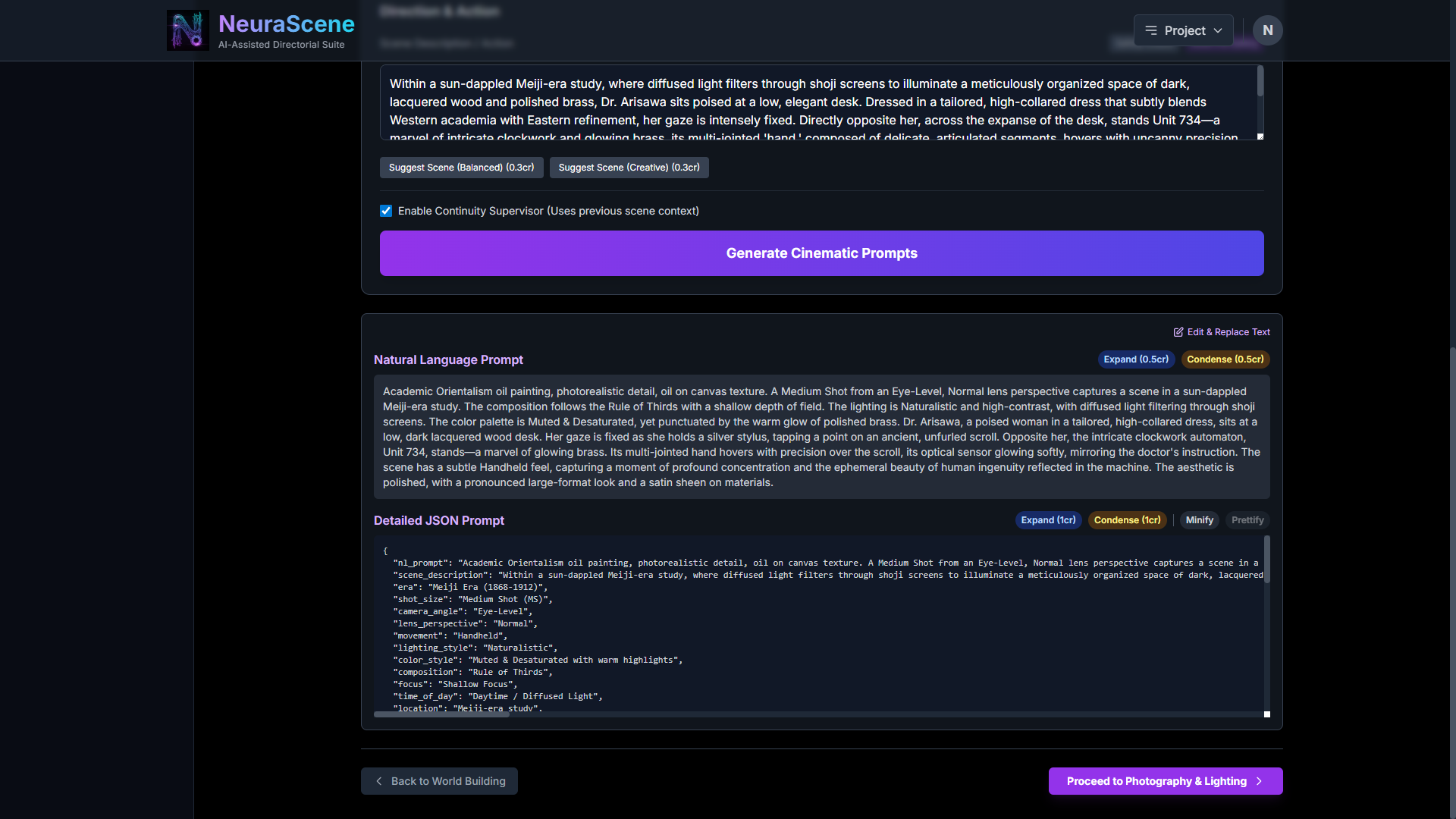
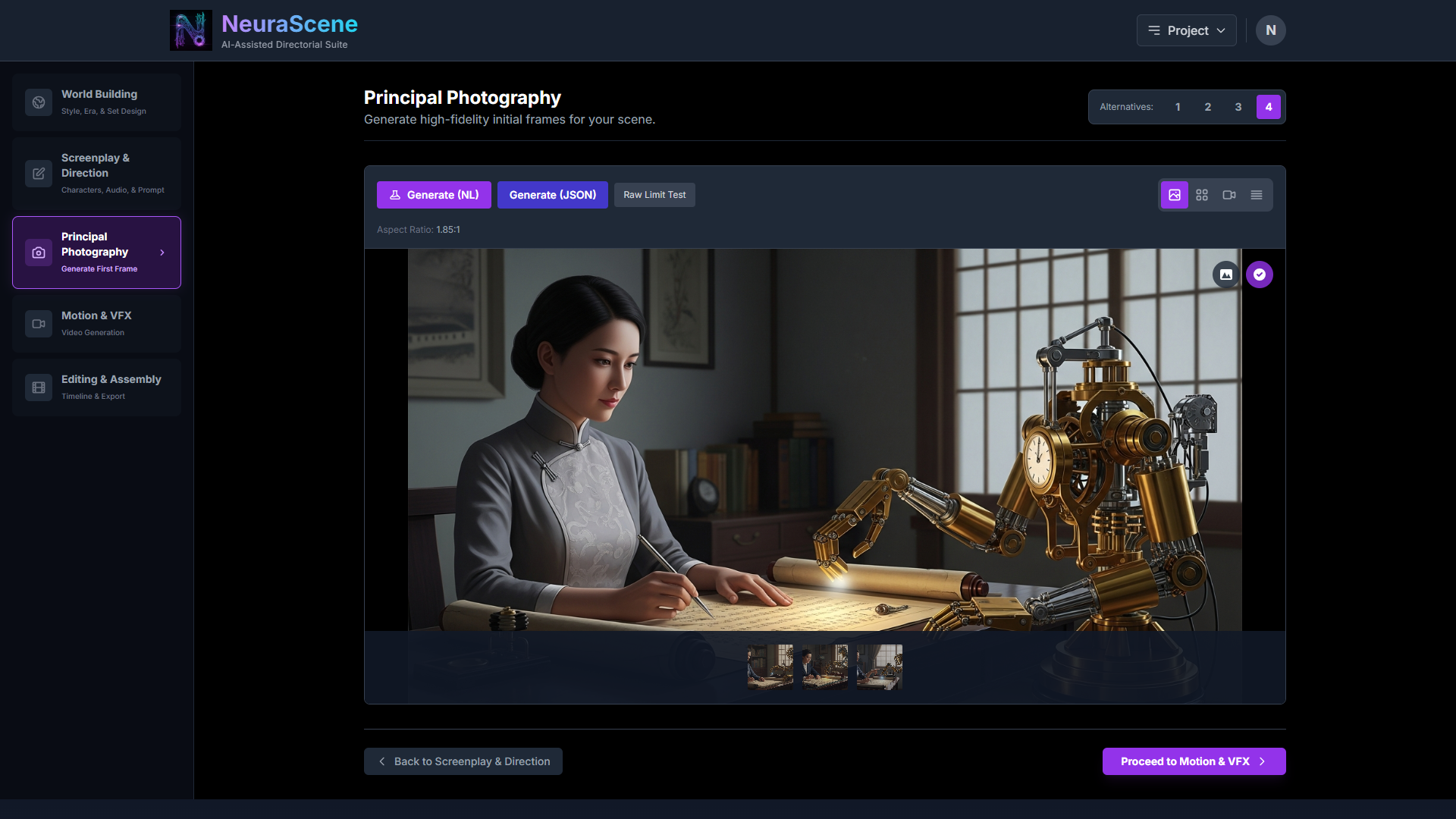
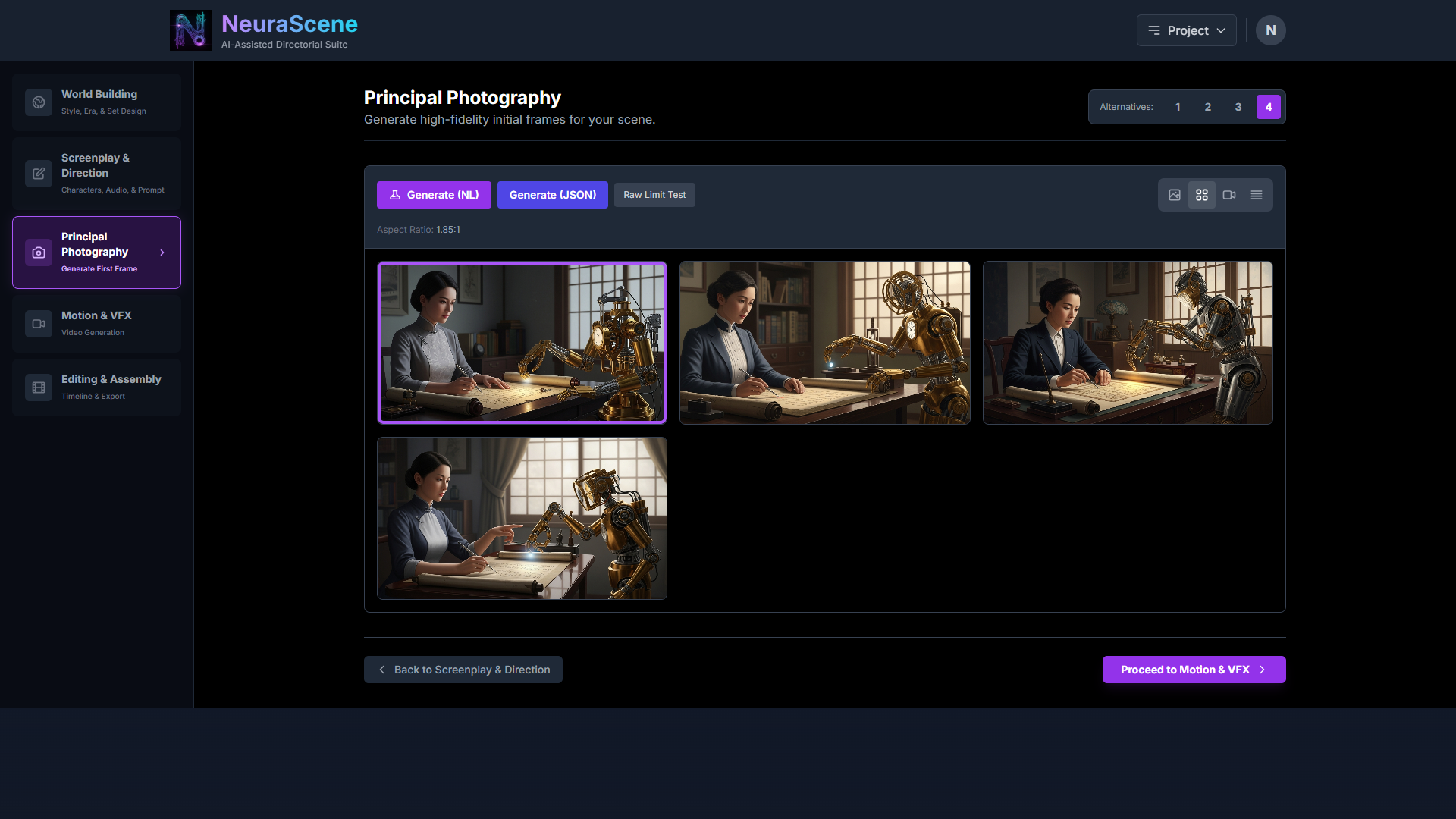
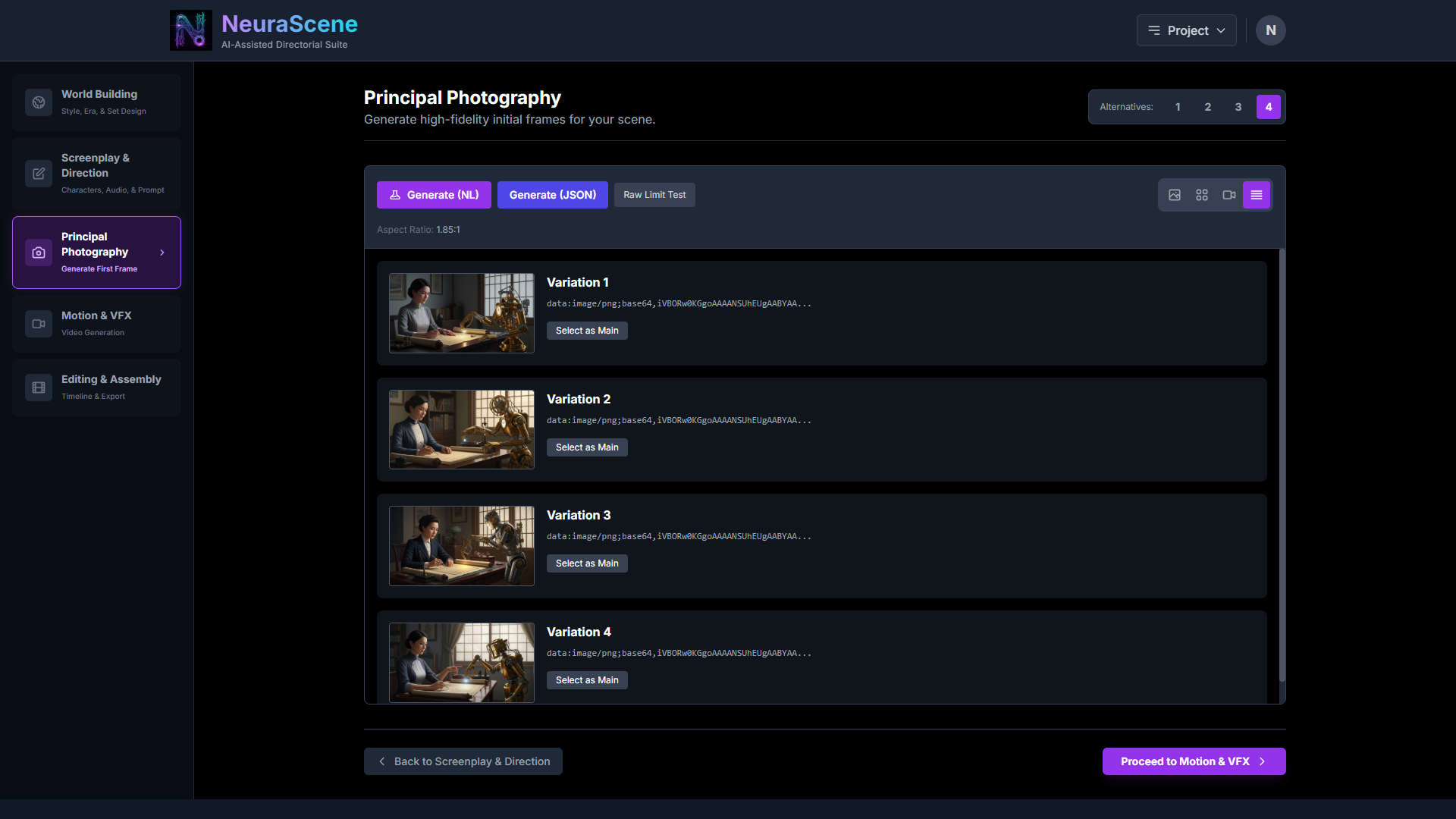

This is a fantastic example of effective AI prompt engineering because the psychological terms aren't just clumsily pasted into the text. Instead, the AI system translates those abstract, high-level concepts into concrete, descriptive visual and narrative elements.
Let's break down exactly how the four psychological dynamics you selected subtly manifest in the generated text:
1. Target Emotional Affect: "Mono no Aware"
Definition: A Japanese term describing a wistful awareness of the transience of things and an empathy toward the ephemeral.
"ephemeral beauty of human ingenuity reflected in the machine..." – This is the most direct translation. It captures the fleeting nature of the moment.
"sun-dappled Meiji-era study" & "aged parchment" – Placing the scene in an implicitly passing era (Meiji) with aged materials evokes a sense of history and transience.
"The quiet hum of Unit 734 and the rustle of aged parchment are the only sounds..." – This builds a quiet, wistful, almost melancholic atmosphere typical of mono no aware.
2. Psychotherapeutic Dynamics: "Shadow Projection"
Definition: A Jungian concept where one projects their unconscious or hidden traits (their "shadow") onto someone or something else.
"...the advanced automaton seems to project the very shadow of human ingenuity" – The AI remarkably uses the word "shadow" to describe the relationship between human capability and the machine.
"...mirroring the doctor's instruction" & "...its metallic 'fingers' subtly mirroring her motion" – The automaton acts as a literal and psychological reflection (or projection) of Dr. Arisawa. It serves as an extension of her will, executing her tasks across the "expanse of the desk".
3. Gestalt Visual Principles: "Figure-Ground Articulation"
Definition: How the human eye differentiates an object (figure) from its surrounding area (ground).
"The color palette is Muted & Desaturated, yet punctuated by the warm glow of polished brass." – The muted background (ground) contrasts brilliantly with the glowing brass of the automaton (figure), ensuring it stands out immediately.
"...lighting is Naturalistic and high-contrast..." – High contrast lighting is the primary way cinematic lighting achieves figure-ground separation.
"A Medium Shot... The composition follows the Rule of Thirds with a shallow depth of field." – The shallow depth of field intentionally blurs the background to make the sharp subjects pop.
4. Somatic & Physiological Cues: "Haptic Resonance"
Definition: Imagery that evokes a strong sense of physical touch, texture, or bodily sensation.
"oil on canvas texture" & "satin sheen on materials" – Direct calls for textural rendering.
"gently taps a point on an ancient, unfurled scroll" – The specific action of a "fine-tipped, silver stylus" tapping "aged parchment" gives the viewer an immediate, tactile sense of what that feels and sounds like.
"multi-jointed hand... composed of delicate, articulated segments" – Draws the reader's attention directly to the physicality and physical mechanism of the hands.
Conclusion: The system is working perfectly. If it had simply output "A robot and a woman. Style: Mono no Aware, Shadow Projection", the image generators (like Midjourney or Runway) wouldn't know how to render it properly. By translating these concepts into lighting directions, textural cues, interaction dynamics, and atmospheric descriptors, NeuraScene is providing precisely the kind of subtle guidance that yields rich, compelling cinematic results.