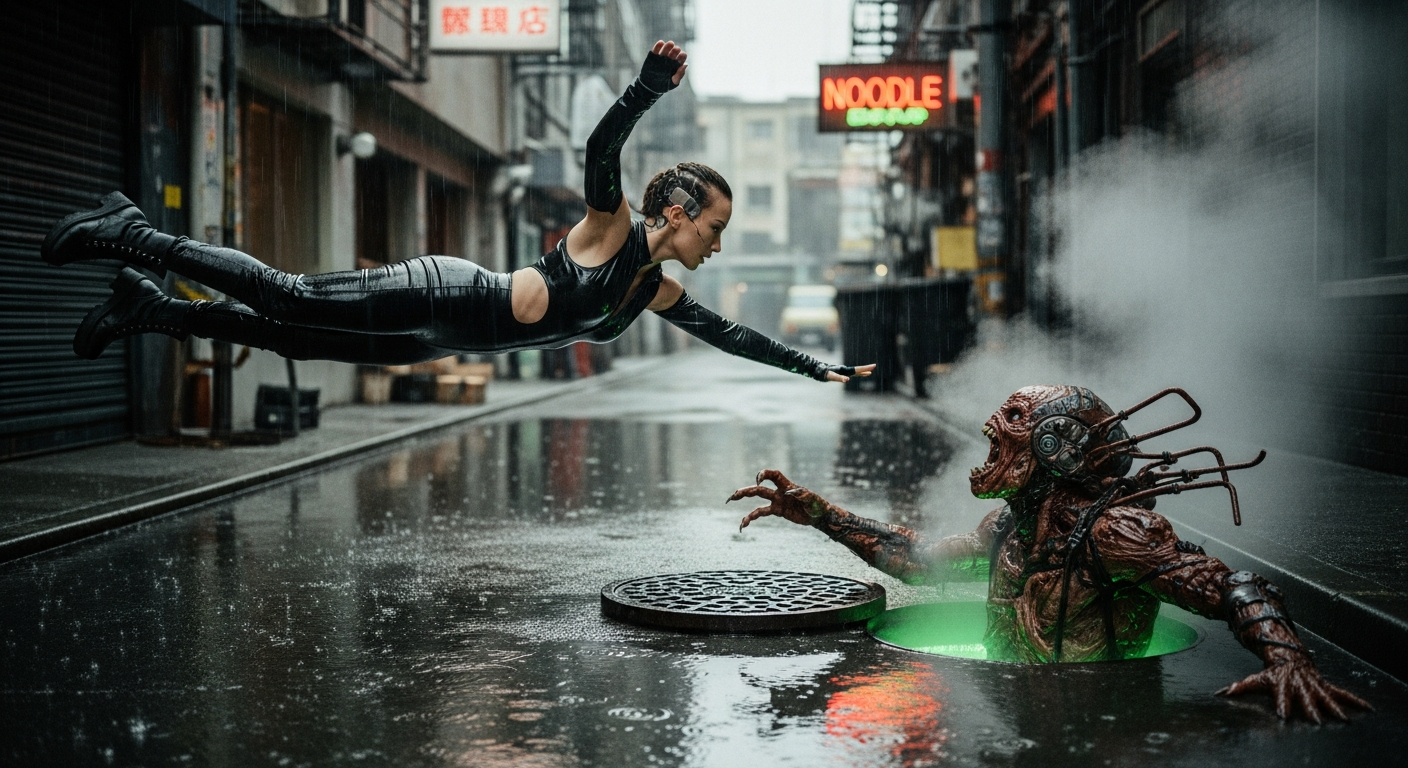
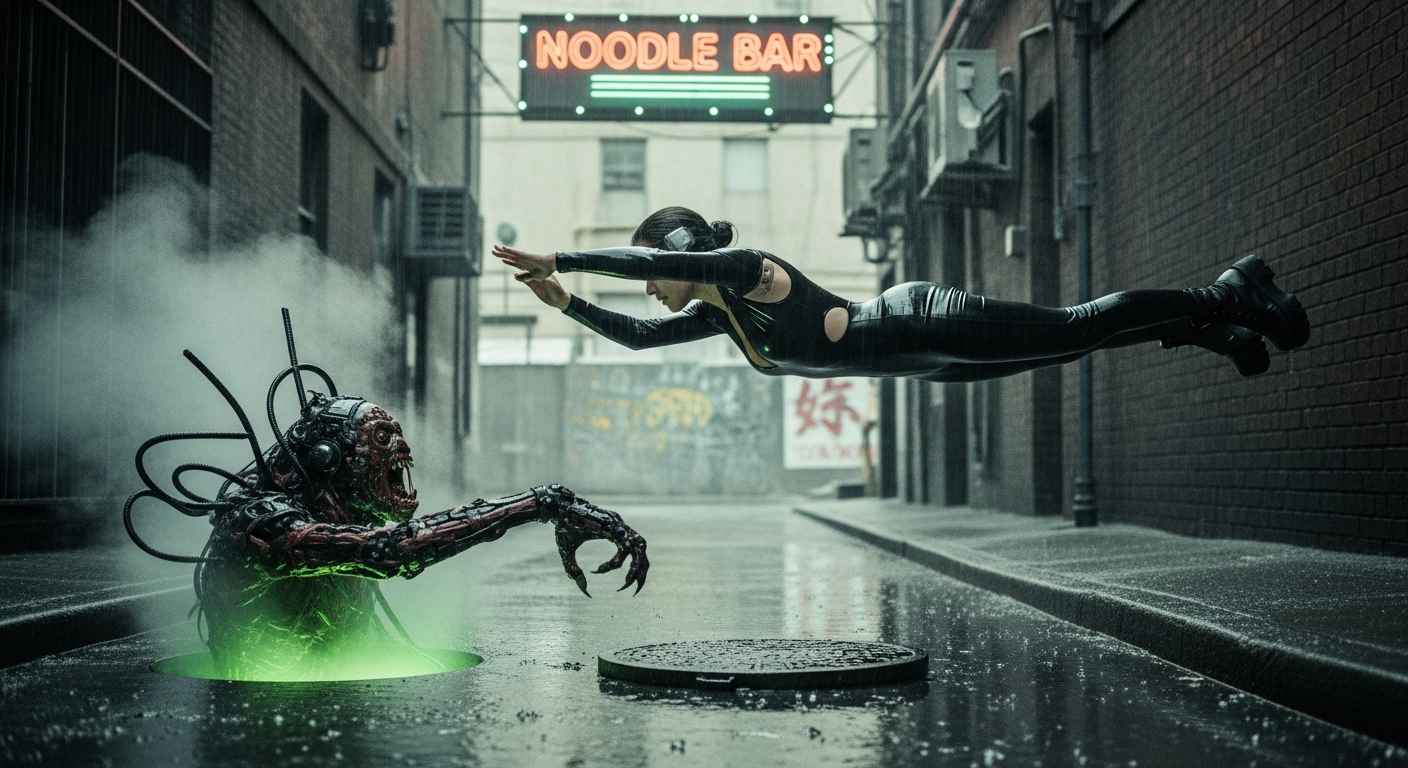
At NeuraScene, we believe your directorial vision shouldn't be bottlenecked by infrastructure. That’s why our latest update delivers a massive leap forward in how you inject products, props, and custom assets into your scenes.
We have supercharged our Asset Integration Workflow into a powerful, four-tier matrix. By combining our battle-tested, ultra-stable Gemini Nano Banana engine with the next-generation, native multimodal power of Gemini Omni, NeuraScene gives you the flexibility to choose the exact balance of speed, fidelity, and rendering logic your production demands.
The Tech Behind the Magic: Omni vs. Nano Banana
To choose the perfect workflow for your project, it helps to understand the distinct computational powerhouses driving them under the hood:
Gemini Nano Banana (The Precision Standard): Optimized for lightning-fast latency and hyper-targeted spatial intelligence. Nano Banana excels at analyzing a static frame, calculating precise bounding box coordinates, and seamlessly compositing your asset into a designated region with rock-solid consistency.
Gemini Omni (The Native Multimodal Powerhouse): Unlike traditional models that stitch together separate vision and text pipelines, Omni processes temporal video context, spatial image data, and prompt physics concurrently. This allows it to understand how lighting, shadows, and reflections interact dynamically across an entire scene.
Choose Your Workflow: The Four-Option Creative Matrix
Whether you need a rapid, one-step generation or a granular, two-step compositing workflow, NeuraScene adapts to your pipeline.
Production Mode | Engine | How it Works | Best For... |
Option A: Integrated | Gemini Omni | One-Step Native Generation. Omni processes your asset and scene description simultaneously, outputting a fully integrated frame natively in a single pass. | Cutting-edge fluid realism, complex scene interactions, and organic lighting integration. |
Option B: Integrated | Gemini Nano Banana | One-Step Fast Track. Generates your environment and drops your asset into place simultaneously using our fastest, most computationally efficient pipeline. | High-velocity storyboarding, rapid iteration, and quick concept turnarounds. |
Option C: Two-Step | Imagen + Omni | Granular Compositing. Step 1: Imagen generates your breathtaking base environment frame. Step 2: Omni's deep vision model calculates hyper-realistic semantic blending to layer your asset into the frame. | High-fidelity final renders where you want pixel-perfect background control combined with advanced reflection and shadow matching. |
Option D: Two-Step | Imagen + Nano Banana | The Production Classic. Step 1: Imagen builds the base environment frame. Step 2: Our reliable Nano Banana engine executes a flawless, structured asset placement. | Maximizing pipeline stability, consistent regional placement, and leveraging our most time-tested workflow. |
Built-In Redundancy, Zero Downtime
We know that in a professional production environment, reliability is everything. By retaining the beloved Nano Banana framework alongside our new Omni workflows, NeuraScene features dual-engine redundancy.
The NeuraScene interface dynamically updates based on your selection. If you choose a two-step workflow, your Manual Compositing panel instantly routes to the correct API, shifts its contextual prompts, and readies the exact model backend required. If cloud API quotas or external secret managers fluctuate, you can seamlessly toggle between engines without ever breaking your creative stride.
The update is live, fully compiled, and ready for your next frame. Which workflow are you taking for a spin first?